Reading & literacy
Fun Facts for Reluctant Readers: Hook Kids on Reading
How fun facts for reluctant readers turn "I hate reading" into "listen to this!" Simple, proven ways to use weird, true facts to build a reading habit.
The Professor Poppy team · October 9, 2026 · 7 min read
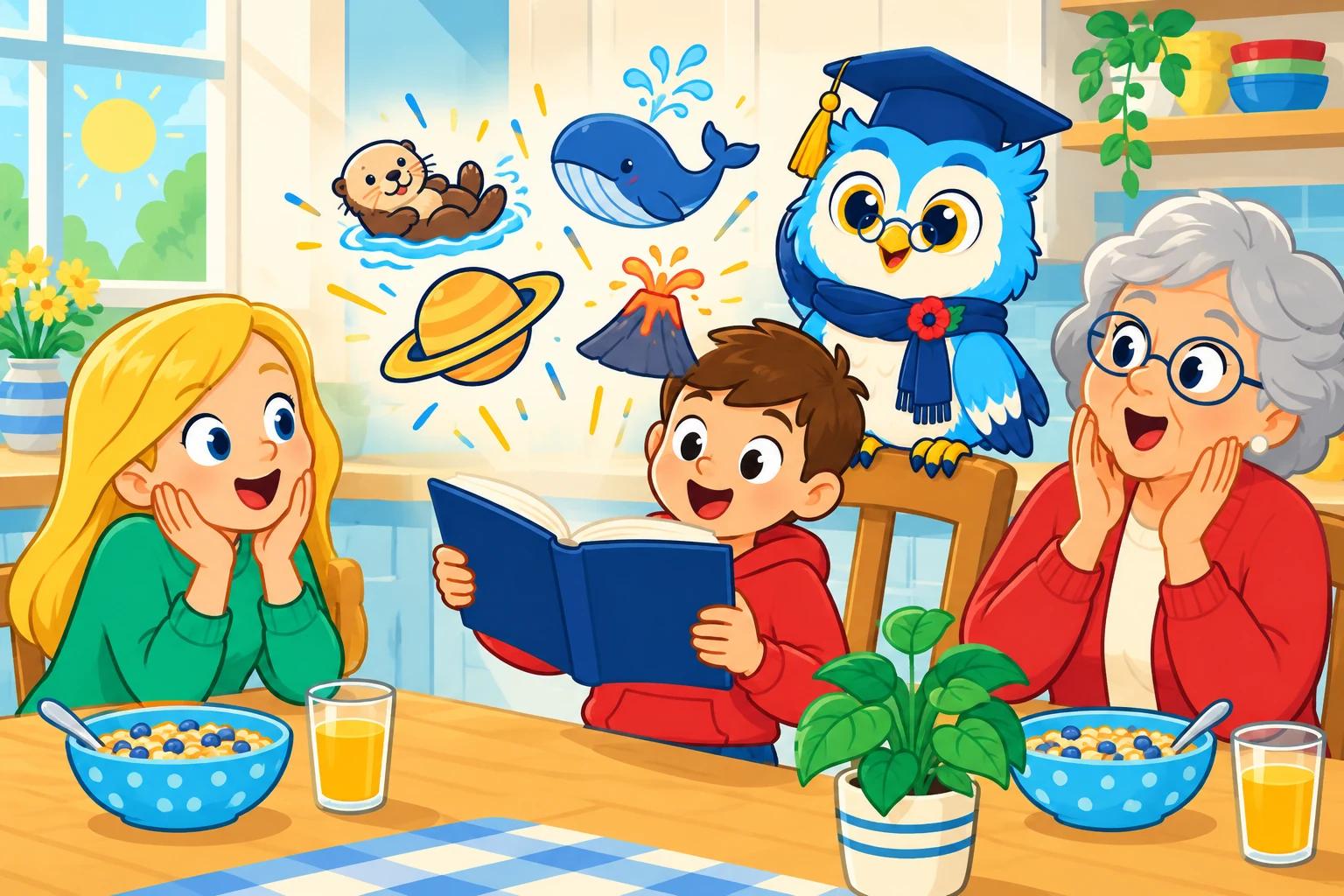
Your child sighs at the sight of a chapter book. Reading time turns into a negotiation, and "just one more page" sounds like a punishment. Then, out of nowhere, they come racing into the kitchen: "Did you know a wombat's poop is shaped like a cube?" For thirty seconds, your so-called non-reader is the most excited reader in the house.
That moment is a clue. Using fun facts for reluctant readers is one of the gentlest ways to rebuild a love of reading, because facts are short, surprising and made to be shared. This post shows you how to turn that spark into a daily habit, without a single argument about minutes on a reading log.
At a glance
- Many kids who resist stories light up for real, weird, true facts.
- Curiosity helps the brain remember, so a "wait, really?" moment is a learning moment.
- Short fact pages count as real reading, and they build stamina for longer books.
- Make facts social: kids read more when they have someone to amaze.
Why it matters
Reading for fun has been slipping for years. According to the National Center for Education Statistics, which runs the long-running national assessment often called the Nation's Report Card, only 14 percent of 13-year-olds said they read for fun almost every day in 2023, down from 27 percent in 2012. The same assessment found that students who read for fun more often tended to score higher in reading.
So the goal isn't just "more reading." It's reading that a child actually chooses. And curiosity is a powerful way in. Researchers at the University of California, Davis asked adults to rate how curious they were about the answers to trivia questions, then tested their memory. People remembered the answers they were curious about much better, and they even remembered unrelated faces they had seen while they were feeling curious. When a child is hooked by a strange fact, their brain is primed to learn and remember.
7 ways to use fun facts to hook a reluctant reader
1. Lead with the weird
Reluctant readers often decide whether a book is "boring" in the first few seconds. Open with something that sounds made up but isn't: sea otters hold paws while they sleep so they don't drift apart, an octopus has three hearts, and a day on Venus lasts longer than its whole year. A good fact does the selling for you.
Try this: Read one strange fact aloud at dinner, then stop. When your child asks "Is that true?", hand them the book and let them check.
2. Count short reads as real reading
A fact box, a caption or a one-page spread is real reading. It still asks a child to decode words, understand ideas and remember details. For a child who feels defeated by long pages, a short win builds confidence, and confidence builds stamina. Many children who start with bite-size facts are reading whole sections within a few weeks.
Try this: Drop the minute-counting for a week. Instead, ask, "What's the best fact you found today?"
3. Follow their obsession
Sharks, soccer, planets, dinosaurs, volcanoes: whatever your child already loves is your doorway. A reluctant reader will push through tricky words like "bioluminescent" if the sentence is about a glowing deep-sea creature they care about. Interest makes hard reading feel worth it.
Try this: Ask, "If you could know everything about one thing, what would it be?" Then find a fact book on exactly that.
4. Make them the family expert
Kids love knowing something the grown-ups don't. When your child becomes the official "fact finder," reading turns into a job with status. They reread to get details right, practice reading aloud and learn to explain ideas in their own words, which is a big comprehension skill.
Try this: Give your child a "Fact of the Day" slot at breakfast. They pick it, read it and quiz everyone else.
Professor Poppy's tip: Gasp. Every time. A grown-up who says "No way, read that again!" is the best reading reward ever invented.
5. Play True or Too Weird?
Turn reading into a game of detective work. Your child reads two "facts," one real and one invented, and the family guesses which is true. To make a believable fake, kids have to read closely and think about what makes a fact sound real. That's critical thinking hiding inside a game.
Try this: Take turns. One night you write the fake fact, the next night your child does.
6. Connect a fact to a longer read
Facts are a gateway, not a dead end. Once your child is hooked on octopuses, a longer book about the ocean suddenly looks interesting. Use facts as stepping stones toward bigger books, whether nonfiction, stories or a mix of both.
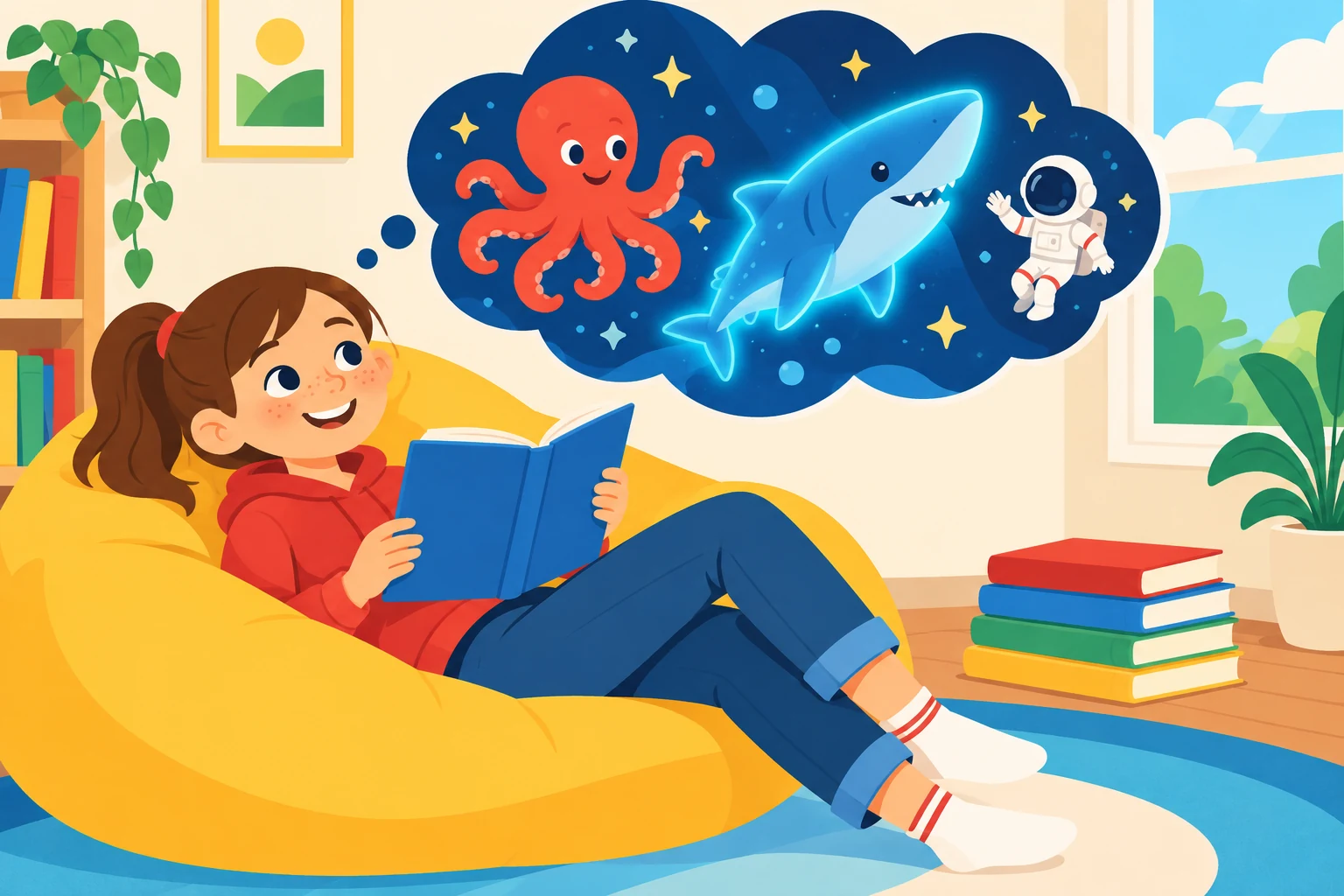
Try this: When a fact really lands, ask, "Want to find out more?" Then visit the library together for a deeper book on the same topic.
7. Keep books where boredom happens
Reluctant readers rarely go looking for books, so bring books to them. A fact book in the car, by the bathtub or on the breakfast table gets picked up in the in-between moments when nothing else is going on.
Try this: Leave a fact book open, face up, on the kitchen table. Don't mention it. See who picks it up.
Age by age
| Age | What it looks like | How to help |
|---|---|---|
| 5 to 6 | Loves pictures, asks endless "why" questions, reads a few words at a time. | Read facts aloud, point to the pictures and let them read the short captions or labels. |
| 7 to 8 | Reads simple sentences, loves gross, funny and animal facts, wants to share. | Choose books with big pictures and short fact boxes. Make them the dinner-table fact reporter. |
| 9 to 10 | Reads independently but may avoid long chapters, enjoys records and "most extreme" facts. | Use topic-based fact books, True or Too Weird? games and quizzes they can run themselves. |
| 11 to 12 | Ready for longer nonfiction, enjoys debating and checking whether something is really true. | Link facts to deeper reads and ask, "How do we know that?" to build research skills. |
Try it tonight: the Fact Wall
Time: about 15 minutes. You'll need: sticky notes or index cards, a marker, tape and any fact book.
- Pick a spot on the fridge or a wall and call it the Fact Wall.
- Your child reads for 10 minutes and chooses the single most surprising fact they found.
- They write it on a sticky note in their own words, plus a tiny drawing.
- Add one fact a day. At the end of the week, your child picks a favorite and tells the whole family why it's the winner.
Writing a fact in their own words is quiet comprehension practice, and the growing wall is a visible reminder that they are, in fact, a reader. For more ways to learn through play, try our free reading games.
Professor Poppy's tip: Let your child read the "easy" books too. Reading something comfortable and fun is how kids build speed, and speed makes harder books feel easier.
Books that help
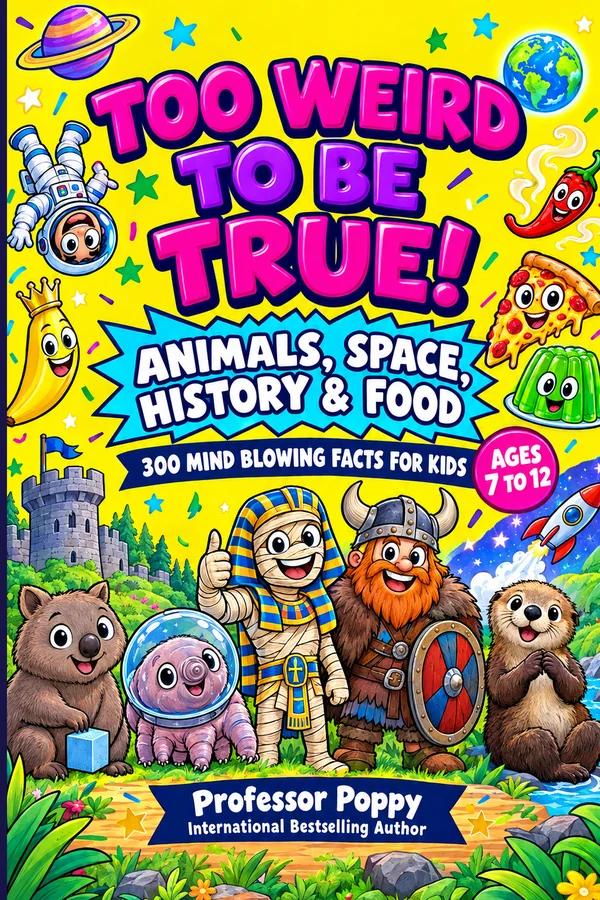
- Too Weird to Be True! Mind-Blowing Facts for Kids mixes wild science, crazy animals and bizarre history with True or Too Weird? quizzes, so kids keep running to read facts out loud.
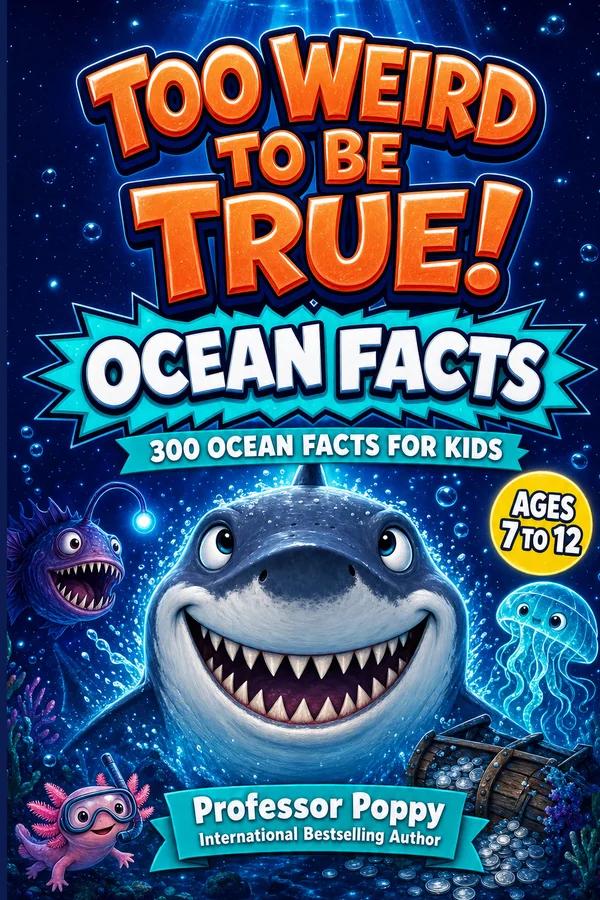
- Too Weird to Be True! Ocean Facts for Kids is perfect for shark fans and deep-sea dreamers, with glowing creatures and true shipwreck stories.
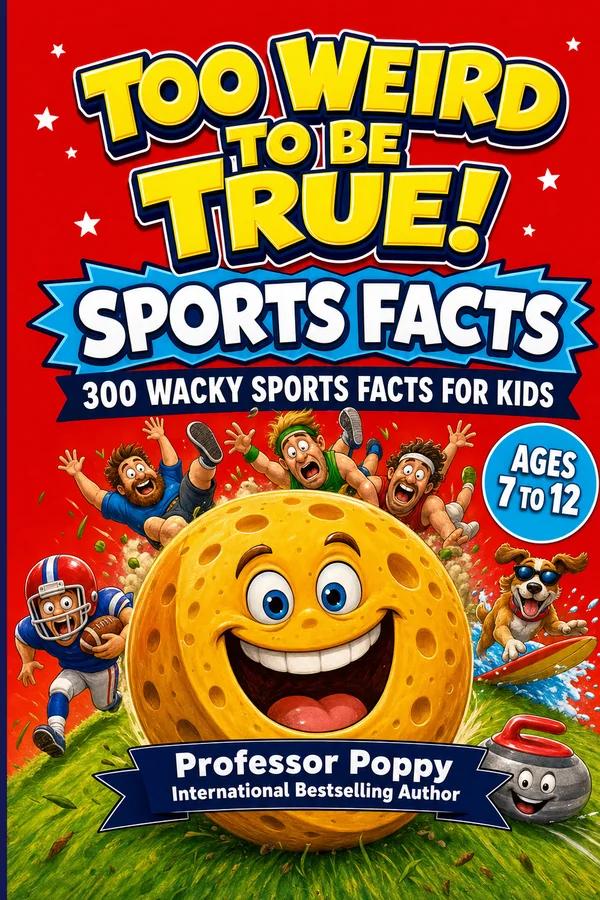
- Too Weird to Be True! Wacky Sports Facts for Kids hooks sports-mad kids with crazy records, bizarre rules and epic fails.
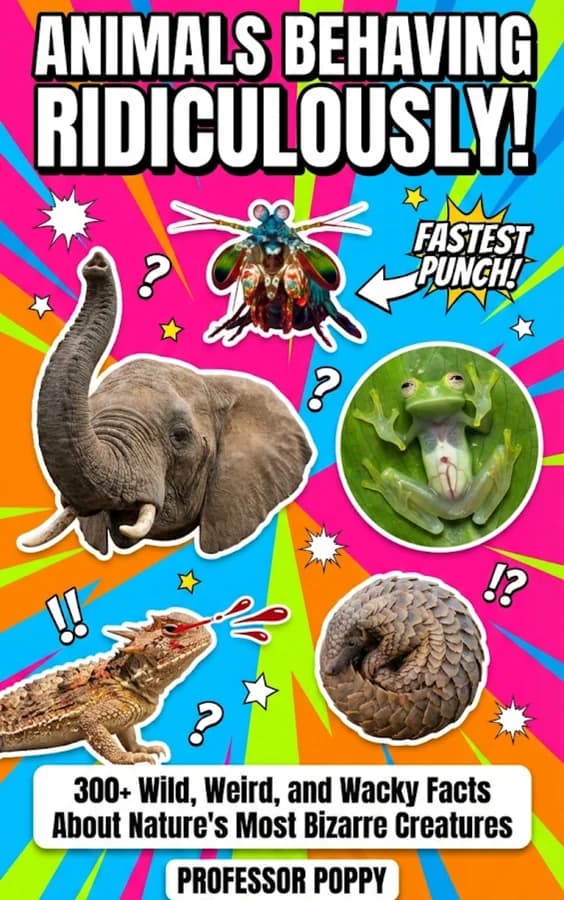
- Animals Behaving Ridiculously! celebrates nature's most bizarre creatures and their baffling behavior, ideal for animal lovers who enjoy shouting "no way!"
If your child is full of questions, you might also like our guide on how to answer kids' why questions.
Quick answers
Do fact books count as real reading?
Yes. Reading nonfiction asks kids to decode words, understand new vocabulary and hold onto information, just like stories do. Teachers want children to read both, and a child who reads facts happily is building the same skills.
How do I get a child who hates reading to read?
Start with their interests, keep the reading short and make it social. A strange fact read aloud to an amazed grown-up feels like fun, not homework. Small daily wins grow into longer reading over time. If reading seems truly hard for your child, not just boring, talk with their teacher.
What are good books for reluctant readers?
Look for short sections, lots of pictures, plenty of humor and topics your child already loves. Fact books, joke books and illustrated nonfiction are great choices because kids can open them anywhere and still enjoy a page.
Sources
- National Center for Education Statistics: NAEP Long-Term Trend Assessment Results, Reading and Mathematics (2023)
- University of California, Davis: States of Curiosity Modulate Hippocampus-Dependent Learning (published in the journal Neuron, 2014)