Parenting tips
How to Help Siblings Get Along With Humor and Kindness
How to help siblings get along using humor, kindness and a few fair family rules, with age-by-age tips for calmer, closer brothers and sisters.
The Professor Poppy team · October 9, 2026 · 8 min read
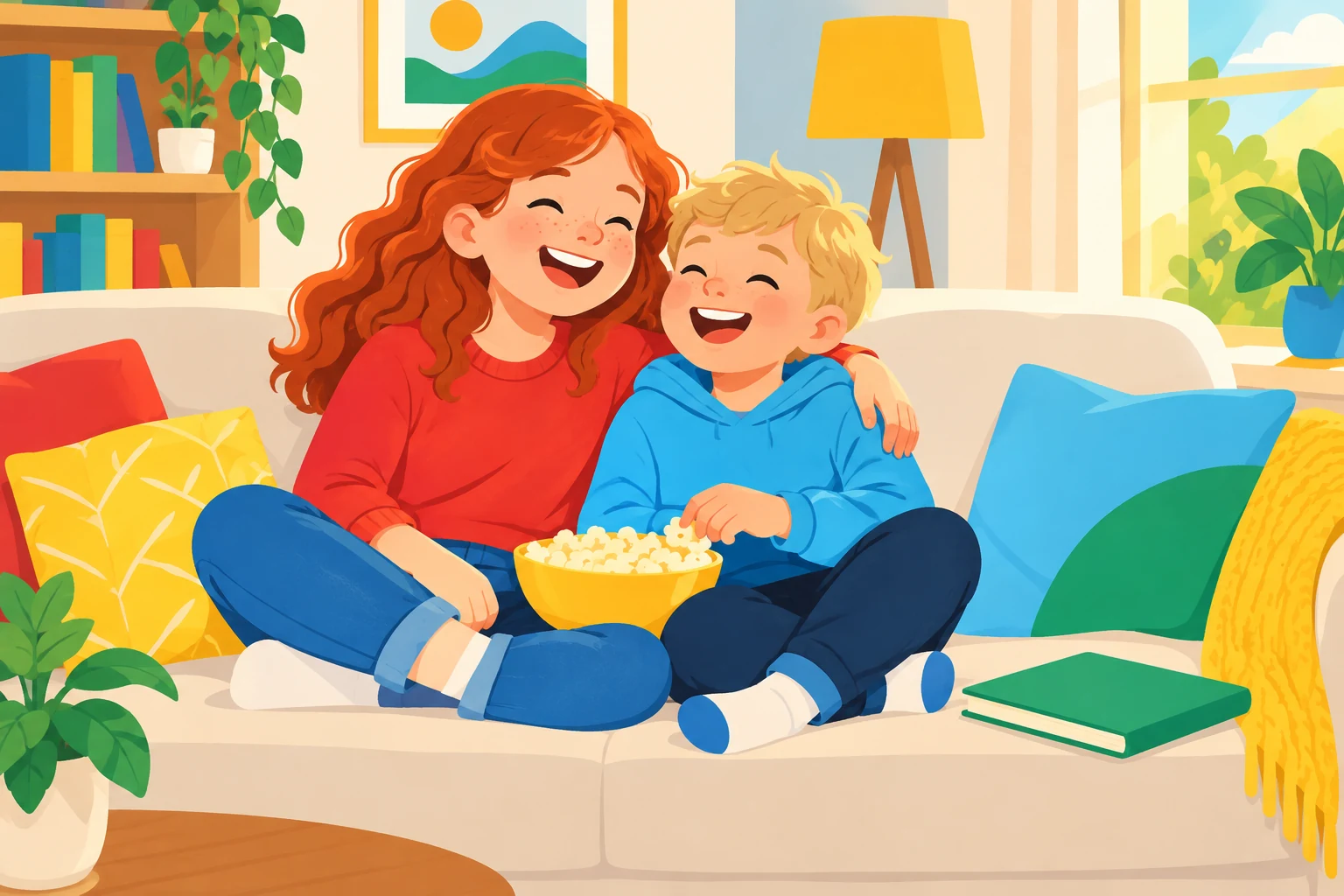
It starts with one sock. One child says it's theirs, the other says it was "borrowed" last week, and within a minute the whole house is a courtroom. You step in, sort it out, and twenty minutes later the same two kids are giggling under a blanket fort like best friends.
If you've ever wondered how to help siblings get along, you're in very good company. Squabbles between brothers and sisters are normal, and they can even be useful. The goal isn't a house with zero arguments. It's kids who can fight a little, laugh a lot, and find their way back to each other. Humor and kindness turn out to be two of the best tools you have.
At a glance
- Sibling squabbles are a normal part of growing up, especially between ages 4 and 8.
- Getting along is a skill, and research shows it can be taught.
- Shared laughter and small acts of kindness build a "bank" of good feelings kids draw on during conflicts.
- Skip comparisons, coach instead of judging, and give each child a little time of their own.
Why it matters
If it feels like your kids argue constantly, you may not be imagining it. Sibling researcher Laurie Kramer of Northeastern University says siblings between about 4 and 8 can have up to eight fights an hour. The encouraging part comes from her team's work, too: in a study of a short online program for parents, mothers reported more warmth and less rivalry between their children, and the change lasted months after the training ended. Kids learned to name feelings, see the other side and calm down before reacting.
A sibling program studied at Penn State and funded by the National Institutes of Health found something similar. Brothers and sisters who practiced getting along together showed more self-control and social confidence, and teachers reported they did better at school.
Pediatricians at the American Academy of Pediatrics add a gentle reminder: some fighting over toys, teasing and tattling is a natural part of growing up. Your job isn't to stop every argument. It's to teach the skills that make arguments shorter and kinder.
7 ways to help siblings get along
1. Fill the "good times bank" with laughter
Kids who share lots of happy moments have something to fall back on when they clash. Shared jokes are especially powerful because laughing together sends one clear message: we're on the same team. A silly family joke that only your kids understand can become a little bond they carry for years.
Try this: Start a "Joke of the Day" at breakfast. Siblings take turns being the comedian while the other one is the official laugh judge.
2. Use humor to cool things down, never to put someone down
A well-timed silly voice can melt a standoff faster than a lecture. The key is laughing with the situation, not at a child. If one sibling feels mocked, humor becomes fuel for the fight instead of water.
Try this: When a squabble is small and nobody's hurt, try a playful "referee" voice: "Ladies and gentlemen, we have a sock dispute in aisle three!" If either child looks truly upset, drop the joke and listen.
3. Teach feeling words they can use mid-argument
"I hate you!" usually means "I'm frustrated" or "That was unfair." Kids who have more words for feelings can say what's really wrong before it boils over. Practice when everyone is calm, not in the heat of the moment.
Try this: Make a short list of feeling words together, like annoyed, left out, embarrassed and disappointed, and stick it on the fridge. Next time a fight starts, ask, "Which word fits right now?"
4. Coach them to see both sides
Instead of playing judge and handing down a verdict, help your kids solve it themselves. Ask each child to tell their side, then ask each to repeat the other's side in their own words. It feels awkward at first, but it's the start of real empathy.
Try this: Use the simple script "You see it your way, I see it my way. What could work for both of us?" Let them suggest the fix, even if it's a little odd.
Professor Poppy's tip: Catch your kids being kind. "I saw you share your crayons with your brother. That was really thoughtful." Kindness you notice is kindness that grows.
5. Keep comparisons out of earshot
"Why can't you be tidy like your sister?" sounds harmless, but the AAP points out that children easily hear comparisons as "I'm not as good or as loved." Treating kids differently is fine, because they are different people. Just keep the comparing private.
Try this: Swap comparisons for a direct, specific request: "Shoes in the basket, please," with no mention of who does it better.
6. Give each child a little one-on-one time
Plenty of sibling fights are really about getting a parent's attention. Ten minutes a day that belongs to just one child, doing something they choose, takes away some of that need to compete.
Try this: Give each child a weekly "special date" with you, even if it's just a walk to the mailbox or a bedtime chat with the door closed.
7. Make teamwork the fun part
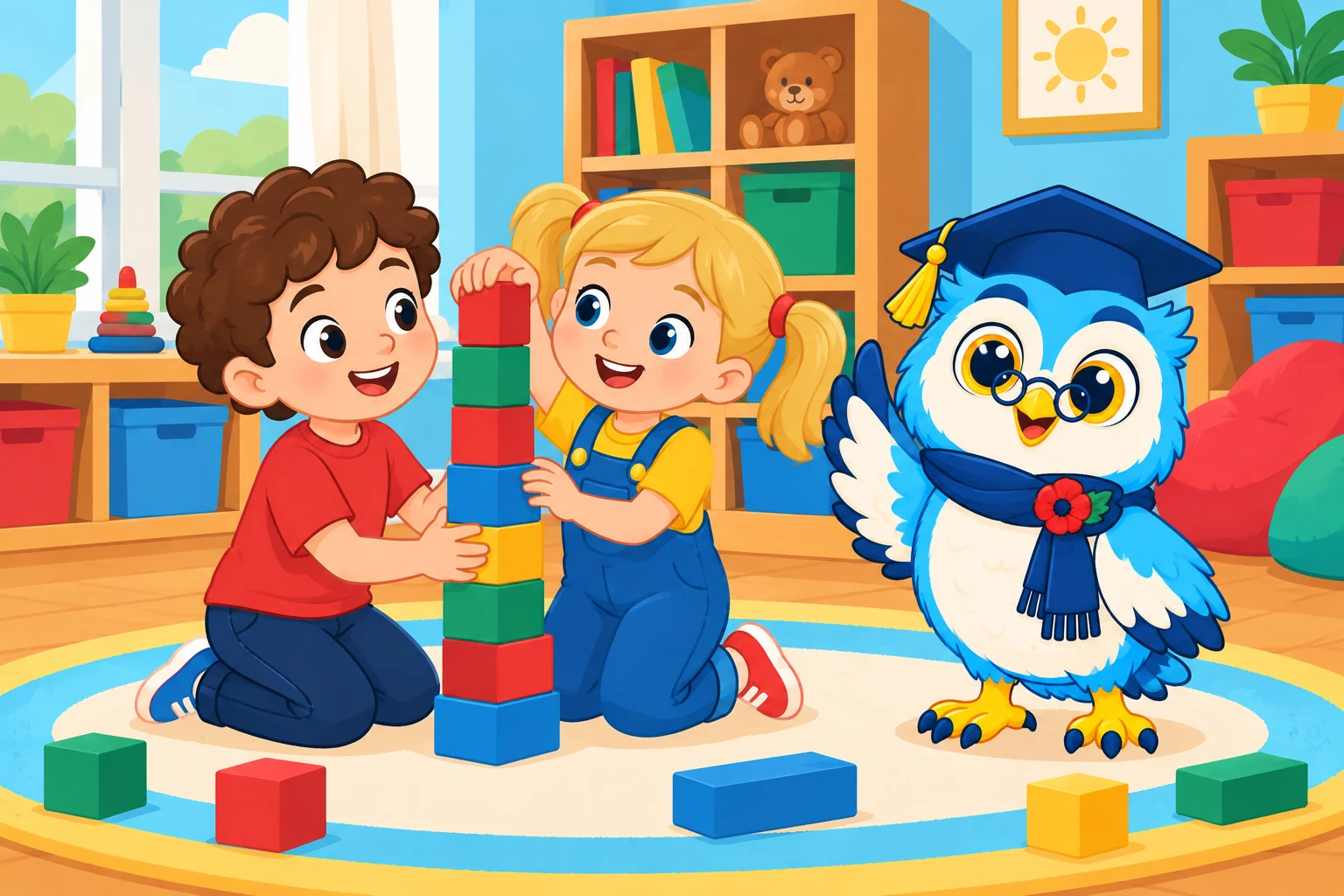
When siblings work toward the same goal, they stop being rivals for a while. Building something together, racing the clock to tidy up or teaming up against a grown-up in a game all turn "me versus you" into "us."
Try this: Set a timer and challenge the kids, as one team, to clear the living room floor before it rings. If they win, they pick the after-dinner song.
Age by age
| Age | What it looks like | How to help |
|---|---|---|
| 3 to 5 | Grabbing toys, hitting, "Mine!", big feelings that come out fast. | Step in quickly, keep it simple ("Gentle hands"), and teach turn-taking with a timer. |
| 6 to 8 | Lots of arguing about fairness, tattling, competing for attention. This is often the busiest stretch for sibling squabbles. | Coach both sides, teach feeling words and set clear family rules like no hitting and no name-calling. |
| 9 to 12 | Teasing, wanting privacy, clashing over space and belongings. | Respect their space, let them solve small problems alone, and keep shared jokes and traditions going. |
| Teens | Less fighting, more eye-rolling, sometimes surprising loyalty to each other. | Give them reasons to team up, like cooking a family meal, and keep friendly roasting kind. |
Try it tonight: the Kindness Jar challenge
Time: about 15 minutes to set up. You'll need: a clean jar, small slips of paper, a pencil and a handful of buttons or dried beans.
- Together, write down simple kind acts siblings can do for each other, one per slip: "Let them pick the show," "Help with a chore," "Tell them a joke when they're sad."
- Each morning, every child pulls one slip and secretly does that kind act for a sibling sometime that day.
- At dinner, everyone guesses what their sibling did for them. A correct guess earns a button in the jar.
- When the jar is full, the whole family earns a shared treat, like a picnic dinner or an extra bedtime story.
For more ways to laugh together, try our free games, or read our ideas for a screen-free family game night.
Professor Poppy's tip: When the shouting starts, take one slow breath before you speak. Kids borrow our calm, so a quiet voice from you often lowers theirs.
Books that help
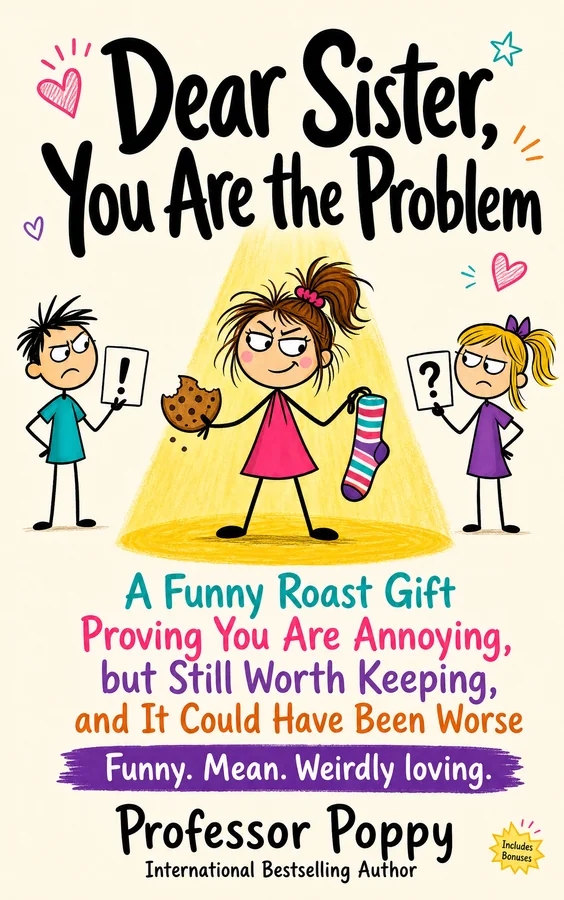
- Dear Sister, You Are the Problem is a funny, brightly illustrated "case file" that roasts a sister for stealing the best seat and lurking near snacks, then lands on the verdict that she's still worth keeping. It's a playful gift older siblings can give each other.
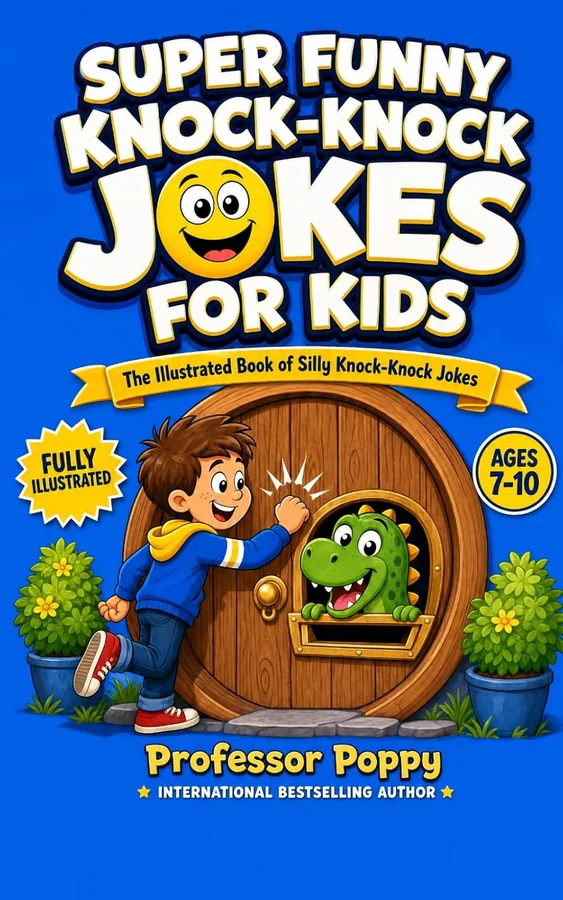
- Super Funny Knock-Knock Jokes for Kids is made for pairs, because every knock-knock joke needs one person to ask and one to answer. Hand it to two siblings and step back.
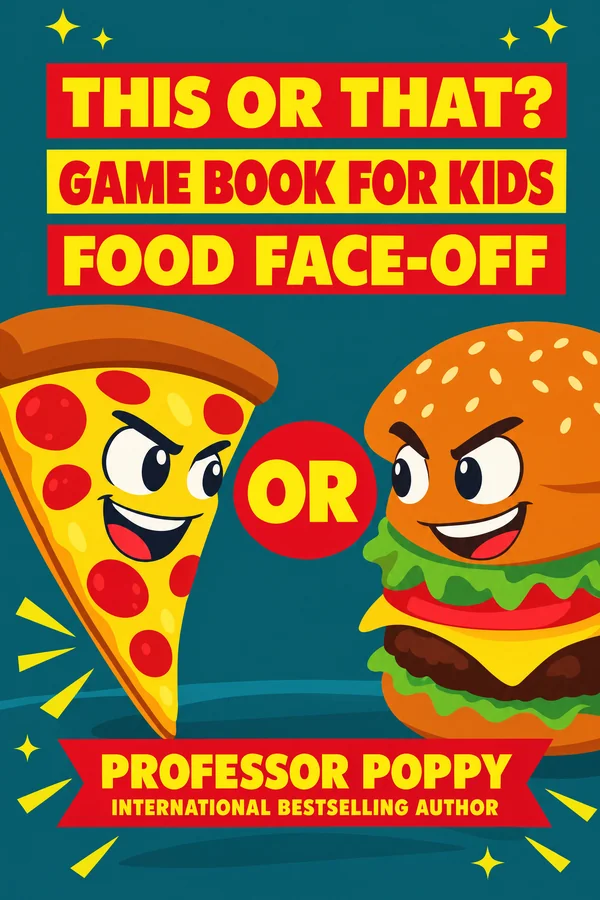
- Food Face-Off: The Ultimate This or That? Game Book for Kids turns silly food choices into friendly debates, so siblings practice explaining their side and listening to the other one while they laugh.
Quick answers
Is it normal for siblings to fight all the time?
Some fighting is completely normal, especially between ages 4 and 8, when kids are still learning to share, wait and handle big feelings. What matters most is that the fights are fairly short, nobody is getting hurt, and there are plenty of good moments in between. Pay closer attention if one child is always the target or seems afraid.
Should I let siblings work out their fights on their own?
It depends on age. Young children usually need a grown-up to coach them through it, because they don't yet have the skills to solve it alone. As kids grow, you can step back from small disagreements and only step in for hitting, cruel words or anything unsafe.
When is sibling rivalry more than normal squabbling?
If one child is regularly hurt, scared, bullied or left out by a sibling, or if the conflict is affecting sleep, school or mood, it's more than ordinary rivalry. Talk with your pediatrician or a family counselor, who can help you find the right support.
Sources
- Northeastern University: research by Laurie Kramer on sibling conflict and the More Fun With Sisters and Brothers program
- Penn State Prevention Research Center: the SIBS (Siblings Are Special) program, funded by the National Institutes of Health
- American Academy of Pediatrics: Sibling Rivalry